When Perfection Becomes the Enemy: The Hidden Cost of Restoring Cult Cinema

Photo by Photo by Alexander Gluschenko on Unsplash on Unsplash
For decades, film preservationists have operated under a straightforward assumption: cleaner is better. Scratches are wounds. Grain is noise. Tape dropout is failure. Within mainstream cinema, this logic holds reasonably well — nobody mourns the removal of a projector reel scratch from a 1952 MGM musical. But within cult cinema communities, a growing chorus of devoted enthusiasts argues that meticulously restored prints strip away the very qualities that made these films matter in the first place, trading hard-won mystique for clinical perfection that serves archivists far more than it serves audiences.
The phenomenon has acquired an informal name among online film communities: the restoration trap. It describes the uncomfortable moment when a beloved underground film receives the full white-glove treatment — 4K scanning, digital noise reduction, color grading, Dolby audio remixing — and emerges from the process looking and sounding like something fundamentally different from what its original audience experienced. The film survives. The experience does not.
The Texture of Danger
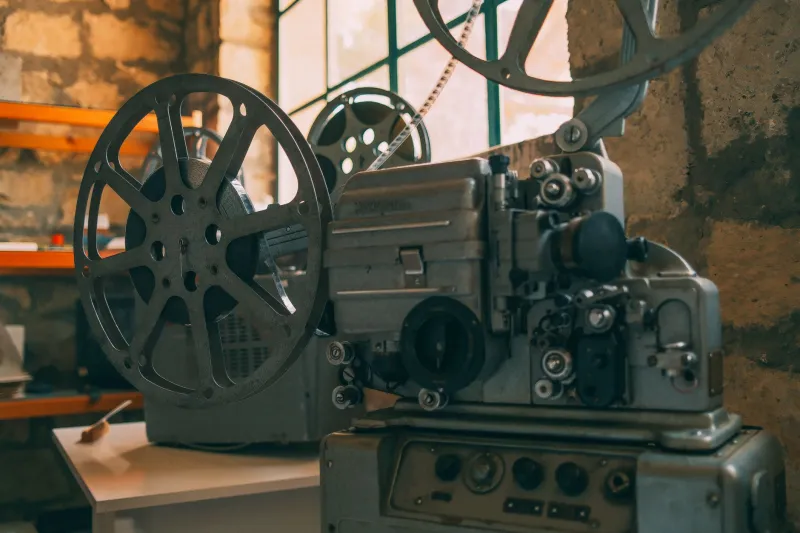
Cult cinema has never been a pristine medium. Its history is inseparable from the conditions under which it circulated: scratched 16mm prints passed between repertory theaters, third-generation VHS bootlegs dubbed from bootlegs, public-domain transfers sourced from whatever print happened to survive. These weren't unfortunate compromises. For many viewers, they were the point.
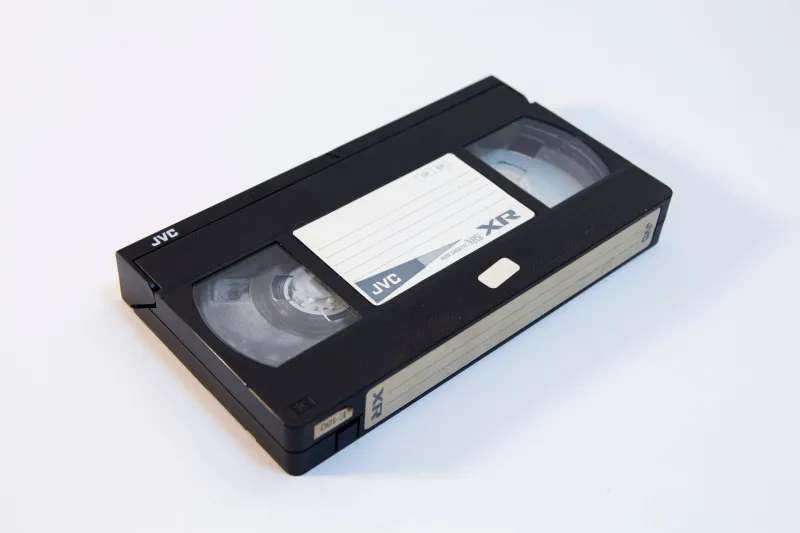
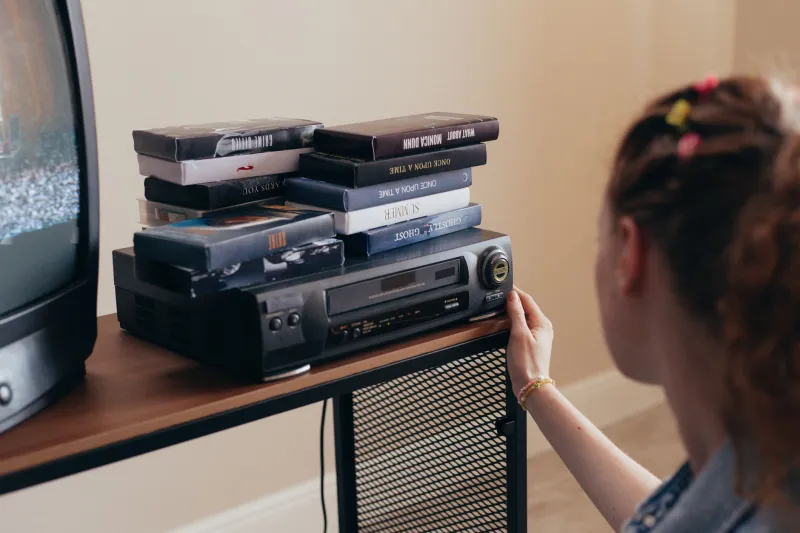
Consider how a significant portion of the audience first encountered underground horror and exploitation films from the 1970s and early 1980s — not through theatrical revivals or licensed home video releases, but through worn tape copies that introduced their own visual vocabulary. Tracking errors created unintended double exposures. Color bleed transformed mundane scenes into something hallucinatory. The physical degradation of the medium became indistinguishable from the aesthetic of the film itself. When a distributor subsequently releases a restored version in 4K HDR, viewers are essentially watching a different object, one that has been retroactively cleaned of everything that made the original viewing feel clandestine, dangerous, and alive.
This is not nostalgia speaking, though nostalgia is certainly present. It is a substantive argument about how meaning is constructed in cinema — and how restoration, however well-intentioned, can inadvertently impose the values of mainstream preservation culture onto works that were never meant to inhabit that space.
The Criterion Problem
No distributor has done more to elevate independent and international cinema in the American market than Criterion. That is not a point of contention. But Criterion's aesthetic philosophy — exhaustive documentation, pristine transfers, authoritative supplements — carries implicit assumptions about what a film should be and how it should be encountered. When that philosophy is applied to genuinely rough, genuinely marginal cinema, the results can feel like a taxidermied specimen: preserved in perfect detail, but no longer quite alive.
Several notable restorations have sparked pointed debates within cult film circles precisely because the restored versions feel overlit, overexplained, and overcurated. The supplements contextualize films that derived much of their power from existing without context. The liner notes assign meaning to works whose meaning was productively unstable. The pristine transfers eliminate the grain structures that gave certain films their particular sense of unease. A film that once felt like it had been found rather than made now arrives packaged with the full apparatus of cultural legitimacy — and something essential evaporates in the process.
This is not an argument against Criterion's work in general. It is an observation that the curatorial framework developed for Bergman and Tati does not translate without friction to films that were conceived and distributed in explicit opposition to institutional cinema culture.
What the Bootleg Preserves
There is a reason that dedicated communities continue to circulate and actively prefer degraded source materials even when restored versions exist and are legally accessible. The preference is not simply irrational attachment to the familiar. It reflects a genuine understanding that certain films encode meaning in their degradation — that the visual noise is signal.
A shot in a low-budget 1970s horror film viewed through the haze of a worn VHS transfer carries a different psychological weight than the same shot rendered in crisp 4K. The degradation introduces ambiguity. It obscures details that might otherwise read as cheap or unconvincing. It creates a perceptual environment that demands imaginative participation from the viewer, who must actively construct the image from incomplete information. This participatory quality is not incidental to the cult film experience. It is, in many cases, its defining feature.
Restoration eliminates that participation. It resolves ambiguities that were productive. It reveals production limitations that the original viewing conditions mercifully concealed. In doing so, it can expose a film to a mode of critical scrutiny it was never designed to withstand — and the result is sometimes a film that looks worse, not better, for being seen more clearly.
The Inaccessibility Paradox
There is a further dimension to this problem that preservation culture rarely acknowledges directly: inaccessibility itself is a constituent element of cult cinema's value. Films that circulate only through informal networks, that require effort and community membership to locate, that exist in forms that major platforms will not touch — these films occupy a different cultural position than films that can be streamed in 4K from a major subscription service on a Tuesday afternoon.
When restoration makes a previously underground film widely and effortlessly accessible, it dissolves the social infrastructure that formed around the film during its years of scarcity. The community built around locating, sharing, and discussing the bootleg version has no particular reason to exist once the film is simply available. The restoration that saves the film may simultaneously destroy the culture that sustained it.
This is not an argument for keeping films inaccessible. It is an argument for taking seriously the possibility that accessibility and preservation are not always the same project, and that the communities which formed around underground cinema deserve more consideration than they typically receive from institutional preservationists.
A More Honest Conversation
The restoration industry is not going to stop working, nor should it. Films genuinely at risk of physical deterioration require intervention, and the technical achievements of contemporary preservation work are remarkable by any measure. But the cult cinema community deserves a more honest conversation about what is gained and what is lost when underground works are brought into the institutional fold.
At minimum, that conversation should include acknowledgment that some films are best understood as artifacts of specific viewing conditions, and that changing those conditions changes the film in ways that matter. It should include serious engagement with the preferences of the communities that have sustained these films, rather than treating those preferences as uninformed sentiment to be overcome through education.
And it should include the uncomfortable recognition that sometimes the degraded bootleg — the third-generation tape copy with the tracking problems and the blown-out contrast — is not merely a stopgap until the restoration arrives. Sometimes it is the film.