No Data, No Audience: In Defense of the Films the Algorithm Cannot See
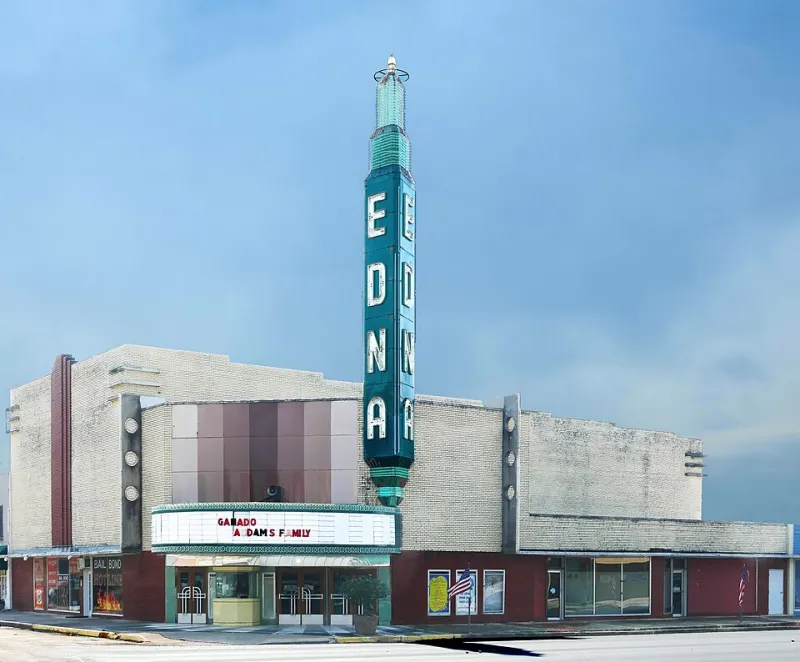
Photo: Eden, Janine and Jim from New York City, CC BY 2.0, via Wikimedia Commons
There is a category of film that no streaming platform will ever recommend to you. Not because it is bad, or dangerous, or obscure in the fashionable sense — but because it has no data. No ratings. No watch histories. No completion metrics. No engagement graph to feed the engine. These films exist in a dead zone that the recommendation economy has rendered functionally invisible, and the longer we let algorithms mediate discovery, the larger that dead zone grows.
It is worth stating plainly: this is a design choice, not a law of nature.
The Tyranny of the Cold Start
Every recommendation system has a version of what engineers call the cold-start problem: how do you suggest something with no behavioral history? Platforms answer it in the laziest possible way — by not suggesting it at all. A film needs a minimum threshold of watches, ratings, or dwell time before it even enters the candidate pool. Below that threshold, it might as well not exist.
Now consider what that means for cinema. A restored regional horror film licensed by a boutique service, uploaded at midnight, with zero marketing. A 1970s experimental documentary that only ever played three college campuses. A foreign feature whose US streaming debut was buried in a sub-menu. None of these will ever accumulate the engagement signal that triggers recommendation. They are, algorithmically speaking, ghosts.
The industry's answer is that audiences vote with their attention, and films that don't attract attention don't deserve surfacing. But this reasoning is circular. A film cannot attract attention without being surfaced, and it cannot be surfaced without attention data. The dead zone is self-perpetuating, and it is growing.
What the Machine Cannot Measure
Here is what the engagement economy misses: the value of a film is not the same as the popularity of a film. Some of the most important viewing experiences available to an American audience right now are films with, quite literally, dozens of logged views. The metrics cannot distinguish between a film nobody has found and a film nobody would want. That distinction — the entire substance of criticism, of curation, of taste — has been outsourced to a system that cannot make it.
There is also a deeper cultural cost. Cult cinema has always depended on the person who takes a chance, the programmer who books the weird thing, the video store clerk who pushes a tape across the counter. Those human acts of recommendation operated on faith and conversation. The algorithm replaced them with probability. And probability, given no data, returns nothing.
A Manifesto for the Invisible
So let this stand as a proposal, offered with the appropriate seriousness:
Seek the unranked. If a film has no ratings, no reviews, and no platform push, treat that not as a warning but as an invitation. Scarcity of attention is not a verdict; it is an open question.
Log everything. Letterboxd, Trakt, a notebook — every watch of an invisible film is a data point the system can eventually see. The amateur record-keeping of fans has rescued more films than any studio initiative.
Trust human vectors. Festivals, repertory screenings, film societies, one obsessive friend. The path to the undiscovered runs through people, not feeds.
Accept failure as tuition. Hunting the invisible means watching things that don't work. That is the price of a frontier. The algorithm promises a hit rate it cannot deliver on the margins where culture actually happens.
Talk about what you find. A recommendation from a person carries signal no engine can generate. Word of mouth built every cult canon we have.
The Last Frontier Is a Choice
The comfortable fiction is that streaming gave us infinite choice. The truth is it gave us infinite retrieval of the already-popular. The genuinely unknown — the films with no data, no advocates, no engagement curve — sit outside the machine's field of vision, waiting for someone to look directly at them.
That someone could be you, tonight, choosing the title with eleven views over the one with eleven thousand. It is a small act. Multiply it by enough small acts and the dead zone starts to shrink. Cinema's final frontier is not a place. It is a decision, made one unranked film at a time.