Anatomy of a Tuesday Night: The Real Ledger Behind One Cult Screening
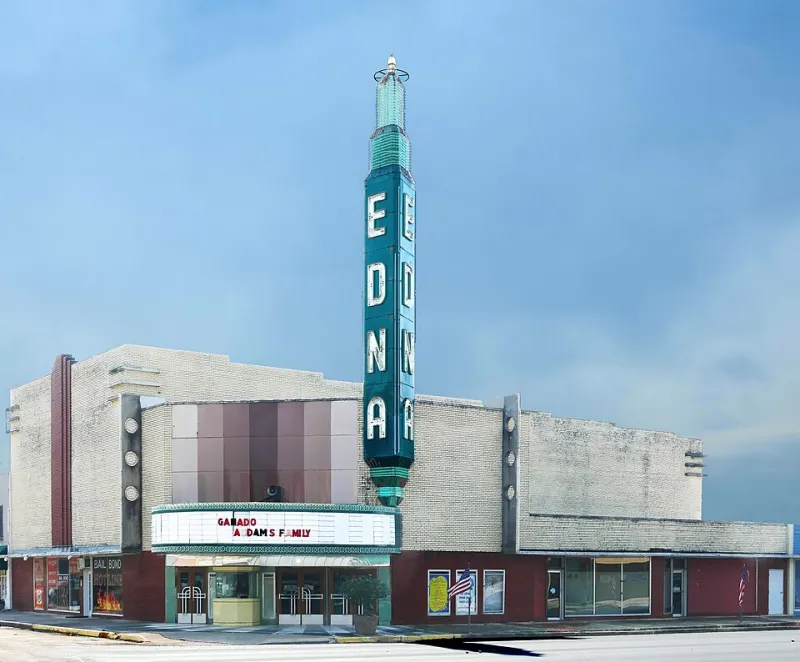
Photo: Jim Evans, CC BY-SA 4.0, via Wikimedia Commons
The Booking That Looks Easy
To the audience filing into a 180-seat single-screen theater in Columbus, Ohio, a Tuesday night screening of a beloved cult film feels effortless. The lights dim, the print or DCP rolls, and the room hums with the particular energy that only a packed house of devotees can generate. What nobody in that audience sees is the spreadsheet sitting in the theater manager's email — a document that reveals just how narrow the margin between triumph and loss really is.
We spent six weeks with the operators of a midwestern repertory house, following a single booking from inquiry to final tally. The film: a 1980s cult feature with a devoted following and, crucially, a rights holder willing to deal. The result is a portrait of an exhibition model under quiet financial siege.
The License: Where the Money Goes First
Licensing is the largest single line item, and it is wildly inconsistent. Rights holders — studios, estates, or third-party clearinghouses — typically quote a flat fee plus a percentage of gross ticket sales. For this screening, the flat fee came in at $400, with a 35% gross split on top. On a sold-out night at $12 a ticket, that gross split alone approaches $750.
Not every negotiation goes this smoothly. Quotes for the same title can vary by hundreds of dollars depending on the region, the day of the week, and how recently the film had a boutique home video release. One programmer described a quote doubling after the film was featured in a popular podcast. Demand, in other words, is priced in real time, and small theaters have zero leverage.
The Print, the Drive, and the Format Tax
If the film is available as a DCP — a digital cinema package — the theater may still pay a delivery or hosting fee, often $50 to $150, plus the cost of shipping a physical hard drive when cloud delivery isn't offered. Genuine 35mm prints are another universe entirely: freight can run $300 or more each way, and the print itself may require a projectionist with actual reel-changing skills, which is its own line item in 2025.
Our subject theater owns a carbon-arc-restored 35mm projector and a staff member who can thread it. That combination is increasingly rare, and it is precisely why the theater can program films its competitors cannot. The capability is an asset; it is also unpaid labor that never appears on the balance sheet.
Marketing on a Shoestring and the Concessions Reality
Promotion for the screening cost almost nothing in cash and almost everything in time: a poster designed in-house, three social posts, a listing in the local alt-weekly, and a partnership with a nearby record store that offered ticket discounts. Total outlay: roughly $85.
Concessions are where repertory houses actually survive. Popcorn carries a margin north of 85%; soda is even better. On this particular night, concessions brought in $610 against $1,896 in ticket revenue. Without popcorn, the theater would have lost money on a sold-out show. Let that sink in: the cult classic is, financially speaking, an advertisement for the snack bar.
The Bottom Line
Adding it up — license, split, delivery, staffing, utilities, marketing — the theater cleared approximately $340 on a sold-out Tuesday. One empty row, one rainy night, one licensing quote that comes back high, and that figure turns negative. This is why fewer cult classics are being programmed, not because audiences stopped showing up, but because the arithmetic stopped forgiving. The next time a sold-out crowd cheers a decades-old film back to life, remember: they are applauding a business that barely breaks even doing the thing they love most.