The Projector That Refused to Quit: Independent Theaters as the Final Gatekeepers of Unstreamed Cinema
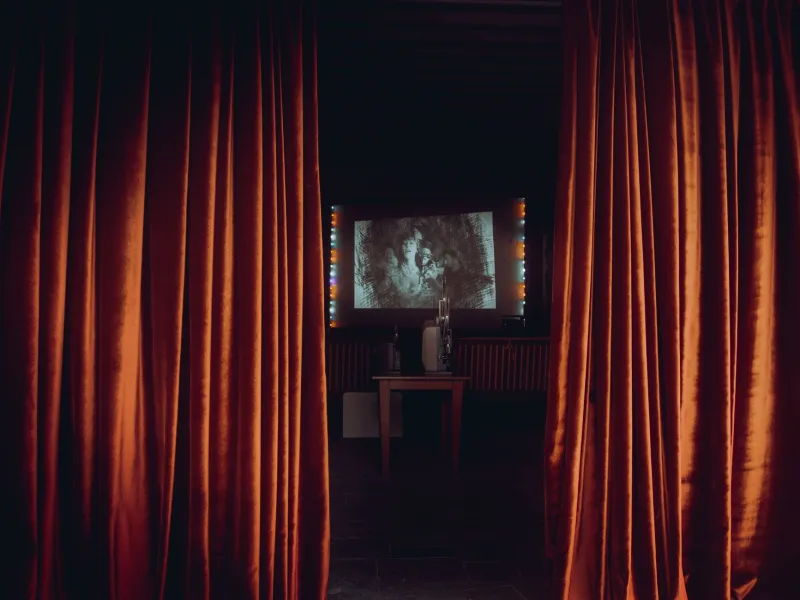
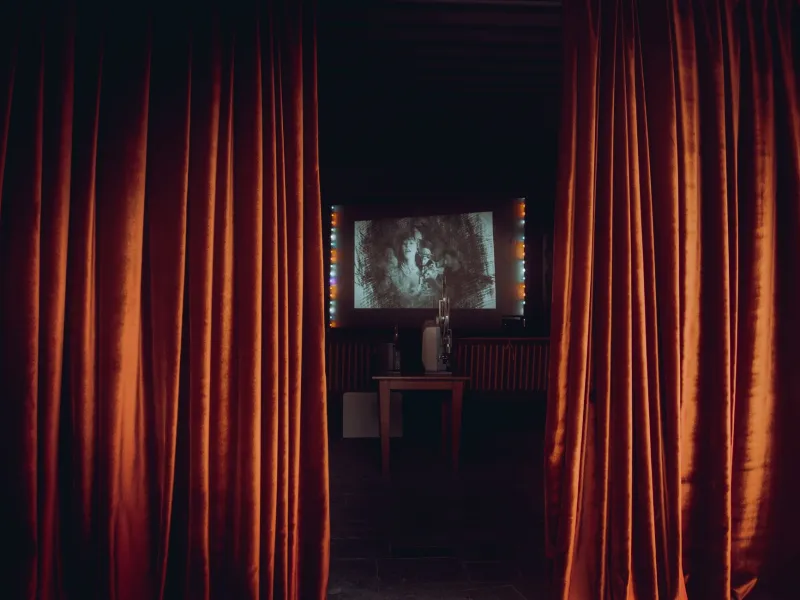
There is a particular kind of Friday night that no streaming queue can replicate. The folding seats, the slightly too-loud projector hum, the audience that arrived not because an algorithm recommended something but because a hand-lettered sign outside promised something genuinely strange. In a growing number of American cities and small towns, that experience is not nostalgia. It is the primary—sometimes the only—means by which certain films reach a living audience at all.
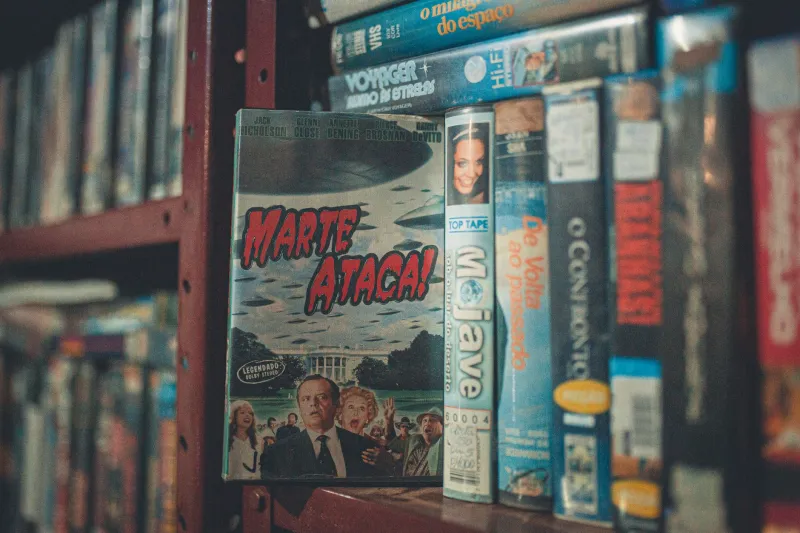
The conversation about cult and independent cinema has, in recent years, concentrated almost entirely on digital access: which platform carries what, which titles disappear after a licensing window closes, which restoration project will finally make a long-lost work available to subscribers. That conversation is legitimate and important. But it has consistently overlooked a quieter infrastructure, one that predates streaming by decades and has outlasted predictions of its irrelevance with stubborn regularity.
Independent theaters—particularly those operating midnight or repertory programming schedules—have become de facto archives for films that fall through every available digital crack. They are not always glamorous. They are rarely profitable in any conventional sense. But they are, for a specific and essential category of cinema, the last venue standing.
What Streaming Leaves Behind
The mechanics of streaming licensing are not designed with obscurity in mind. Platforms negotiate rights based on projected viewership, and films that cannot demonstrate sufficient audience demand are either priced out of acquisition or simply ignored. This creates a structural blind spot: the more obscure a film, the less likely it is to be licensed, and the less likely it is to be licensed, the more obscure it remains. The algorithm does not surface what it does not carry, and it does not carry what it cannot monetize.
The casualties of this system are not limited to genuinely marginal works. Regional American cinema from the 1970s and 1980s, low-budget horror produced outside the studio system, experimental features that received festival attention but no distribution deal, foreign-language films that never found a domestic rights holder—all of these categories contain titles that are, for practical purposes, invisible to anyone who relies solely on digital platforms for their viewing.
This is precisely the inventory that independent theater programmers have spent years learning to navigate.
The Programmer as Curator
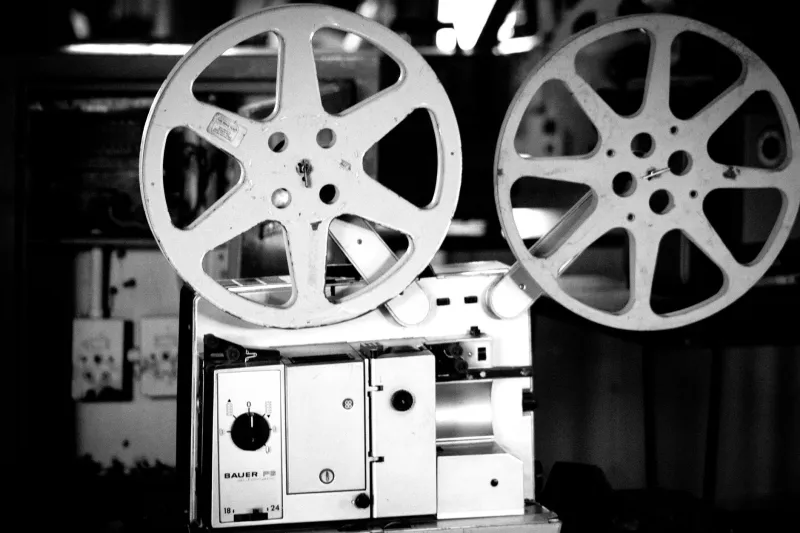
Ask a repertory programmer how they build a season and the answer rarely involves market research. More commonly, it involves a combination of personal obsession, distributor relationships cultivated over years, and a working knowledge of which films can still be sourced on 35mm or legitimate DCP. The curatorial instinct at these venues is not incidental to their function—it is their function.
At the Alamo Drafthouse's smaller regional outposts, at the handful of surviving single-screen theaters that have converted their late-night slots to repertory programming, and at the micro-cinemas operating in repurposed storefronts across cities like Portland, Chicago, and Philadelphia, programmers describe a similar process: identifying films that have an audience somewhere, even if that audience has never been formally counted.
"The streaming platforms are very good at telling you what people have already decided they want," one Midwest theater programmer explained in a recent industry conversation. "We're more interested in what people would want if they knew it existed."
That distinction is not merely philosophical. It describes a fundamentally different relationship with cinema discovery—one that requires the programmer to function as an advocate rather than a vendor.
Distributors, Rights, and the Gray Zones
The theatrical exhibition of films outside mainstream distribution is not without legal complexity. Independent theaters programming cult and underground cinema frequently operate in a landscape where rights holders are difficult to identify, where prints exist in states of uncertain ownership, and where the formal licensing infrastructure simply does not accommodate the kind of one-off, limited-run screenings that repertory programming demands.
Some distributors have developed relationships specifically calibrated to this circuit. Companies like Kino Lorber, Vinegar Syndrome, and Oscilloscope Laboratories have, to varying degrees, structured their theatrical licensing to accommodate smaller venues. But these arrangements cover only a fraction of the available catalog. For films outside any active distributor's portfolio, theater owners describe a process that is part detective work, part negotiation, and occasionally part improvisation.
The legal gray areas are real, and theater owners are generally reluctant to discuss specific arrangements on the record. What they will say, consistently, is that the alternative—simply not screening the film—is an outcome that serves no one. A film that cannot be licensed, cannot be streamed, and cannot be screened in any venue has, for practical purposes, ceased to exist as a cultural object.
Why the Room Still Matters
The argument for theatrical exhibition as a discovery mechanism is not purely sentimental, though sentiment is not irrelevant. There is a body of evidence, largely anecdotal but remarkably consistent, suggesting that the communal screening experience produces a different quality of engagement than solo streaming—particularly for films that are challenging, formally unconventional, or simply unfamiliar.
Audiences at midnight screenings report a willingness to sit with difficulty that they do not extend to their home queues. The social contract of the theater—the shared commitment of arrival, the absence of a pause button, the presence of other bodies responding to the same images—creates conditions under which a demanding film can find its audience in ways that a streaming thumbnail cannot replicate.
This matters for cult cinema specifically because cult status is, at its core, a communal phenomenon. A film does not acquire a cult following through isolated individual viewings. It acquires one through the accumulation of shared experiences, references, and conversations. The theater is where that accumulation begins.
A Circuit Worth Mapping
For audiences in the United States who take seriously the project of discovering cinema beyond the algorithmic mainstream, the independent theater circuit is not a supplement to streaming. In many cases, it is the primary access point for an entire category of film that streaming has structurally excluded.
This is not an argument against digital distribution. It is an argument for recognizing what digital distribution does not and cannot do—and for supporting the institutions that fill that gap. The programmers working the midnight slots at independent theaters across the country are not operating out of nostalgia. They are maintaining an infrastructure that the streaming economy has not replaced and shows no particular interest in replacing.
The films they screen are not there because no one wanted them. They are there because the systems designed to make films available failed them. The theater, in this context, is not the last resort. It is the last archive. And it remains open.