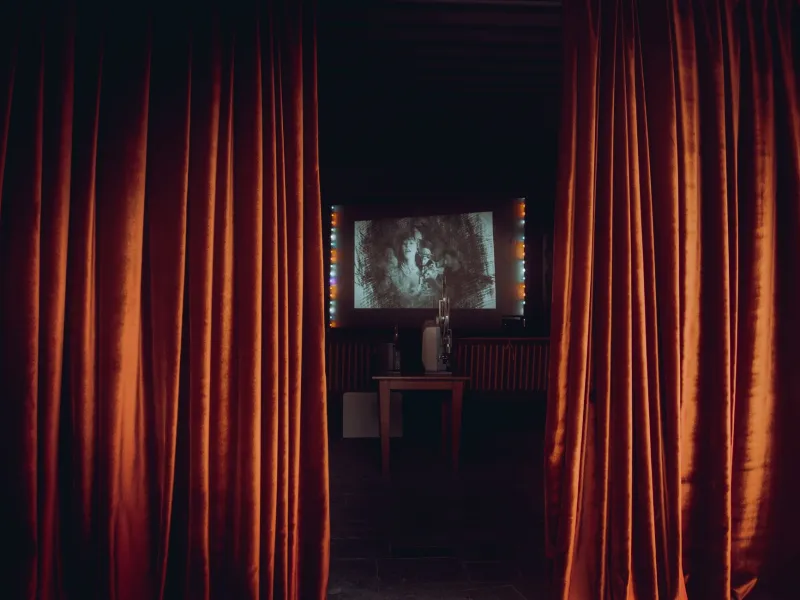
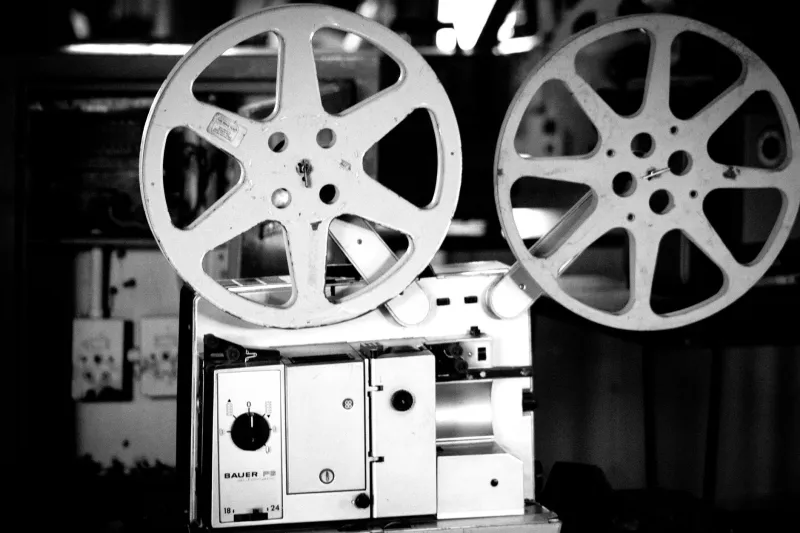
Shelves Nobody Deleted: The Defunct Video Stores Quietly Holding Cult Cinema Together
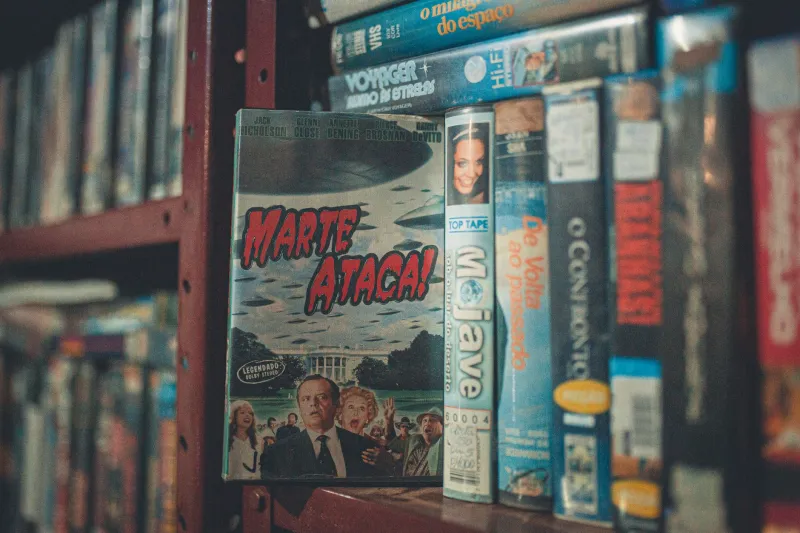
There is a particular kind of silence inside a video store that has stopped renting. The shelves remain. The cases, many of them still holding their tapes, stand in rows with the patient indifference of library stacks. Nobody has curated this collection for the algorithm. Nobody has licensed it, geo-blocked it, or removed it from a catalog during a quarterly rights renegotiation. The films simply sit there, present and unclaimed, in a way that almost nothing in contemporary cinema distribution can claim to be.
Across the country, dozens of these spaces persist — some frozen mid-closure, others deliberately preserved by their former owners, and a growing number quietly repurposed by collectors who recognized what was about to be lost. What they represent, to the community of cinephiles who seek them out, is not nostalgia. It is infrastructure.
The Gap That Streaming Left Behind
The collapse of the video rental industry was swift enough that its archival consequences are still being fully understood. Blockbuster's decline is well-documented, but the more significant losses occurred at the level of the independent store — the single-location shop in a mid-sized city that carried three copies of a regional horror film nobody distributed nationally, or the foreign-language section assembled by an owner who imported titles that never appeared on any domestic catalog.
Streaming platforms, for all their scale, have not filled this space. The economics of licensing favor volume and visibility. A film without an existing audience generates no algorithmic signal, which means it receives no placement, which means it develops no audience. The loop is self-sealing. What the independent video store offered — and what its physical remnants continue to offer — was a different kind of discovery logic entirely: proximity, accident, and the judgment of a human being who thought a particular film was worth stocking.
That judgment, encoded in tens of thousands of abandoned inventory decisions, is now the subject of serious collector attention.
Pilgrimage Routes Through Dead Retail
In cities like Pittsburgh, Albuquerque, and Portland, a loose geography of surviving video store spaces has emerged as something resembling a pilgrimage circuit for dedicated cult film enthusiasts. Some of these locations operate as hybrid businesses — part used-goods shop, part informal archive. Others have been absorbed into the back rooms of record stores or comic book shops, their inventories maintained by owners who could not bring themselves to dispose of them.
What draws collectors to these spaces is not primarily sentiment, though sentiment is rarely absent. It is the recognition that these shelves contain titles that exist nowhere else in accessible form. A VHS tape of a 1987 regional slasher film, pressed in an edition of a few thousand copies and never transferred to any digital format, is not a curiosity. It is, functionally, the only surviving exhibition copy of that film for a significant portion of the population.
Collectors who have spent years mapping these locations describe the experience in terms that carry genuine urgency. The window for acquisition is closing. Estates are liquidated without anyone examining the inventory. Tapes degrade on their own timeline regardless of cultural significance. The informal preservation work happening inside these spaces is, in many cases, the last opportunity anyone will have to perform it.
When the Store Becomes the Museum
A smaller number of former video store owners have made a more deliberate choice: to maintain their spaces as something explicitly archival, even when the commercial rationale has evaporated. These individuals occupy an unusual position. They are not institutions. They receive no grants, carry no formal preservation mandate, and operate without the resources that film archives bring to the work of conservation. What they have instead is inventory, knowledge, and the particular stubbornness of someone who has watched a cultural resource disappear once already and declined to let it happen again.
The stores that have survived in this mode tend to share certain characteristics. Their owners have deep subject-matter expertise in specific genres or regional traditions — exploitation cinema from the Southeast, regional science fiction from the Midwest, the Spanish-language genre films that circulated through Latino communities in the 1980s and early 1990s and remain almost entirely absent from streaming catalogs. The collection reflects a curatorial intelligence, even when that intelligence was never labeled as such.
For visitors who treat these spaces as pilgrimage sites, the encounter with that intelligence is part of what the visit means. The shelves are not random. They represent decades of considered acquisition, and navigating them produces the kind of discovery that no recommendation engine has yet learned to simulate.
The Preservation Problem Nobody Is Funding
The archival community has been slow to engage with this ecosystem, and the reasons are structural. Formal preservation institutions are equipped to work with rights holders, with established provenance, with materials that arrive through recognized channels. The VHS tape on a shelf in a defunct rental store in Ohio exists outside all of those frameworks. Its rights status may be unresolvable. Its provenance is informal. Its condition is uncertain.
This leaves the actual preservation work — the dubbing, the documentation, the effort to ensure that a given title does not simply cease to exist when a particular tape finally fails — to the collector community. That community has developed its own practices, its own standards, and its own internal debates about what constitutes responsible stewardship. It has also developed a working relationship with the legal ambiguity that surrounds much of what it does, an ambiguity that formal institutions cannot comfortably inhabit.
The result is a preservation landscape that is genuinely bifurcated. Canonical films receive institutional attention and significant resources. The films that occupied the lower shelves of the independent video store — the ones that never crossed into canonical status, that circulated regionally, that were made outside the systems that generate critical recognition — survive or disappear based on the efforts of private individuals operating without institutional support.
What the Shelf Remembers
There is an argument, made with increasing conviction within the cult film community, that the physical video store is not simply a transitional technology awaiting digital replacement. It is a specific kind of cultural object, one whose organizational logic, physical presence, and human mediation produced a form of film discovery that has not been replicated and may not be replicable.
The films that found audiences through those stores — that were rented because they occupied a particular shelf position, because a store employee made a recommendation, because a customer picked up a case on the basis of cover art that promised something the mainstream was not delivering — are not incidental to cult cinema's history. They are its primary material.
The stores that still hold those films, in whatever condition and whatever legal limbo, are holding something more than inventory. They are holding a record of what audiences wanted when the algorithm was not yet in the room to tell them what to want. For the community of collectors and cinephiles who continue to seek them out, that record is worth traveling to find.