Dollar Bins and Dead Formats: A Practical Guide to Hunting Lost Films at America's Flea Markets
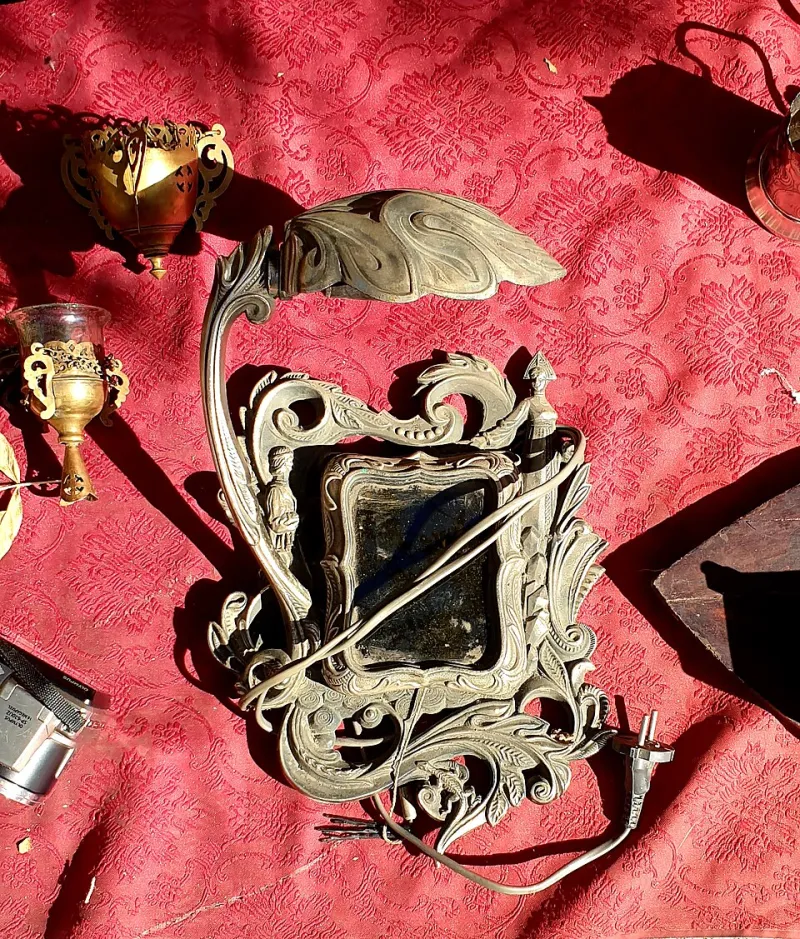
Photo: Tess Mattew, CC BY-SA 4.0, via Wikimedia Commons
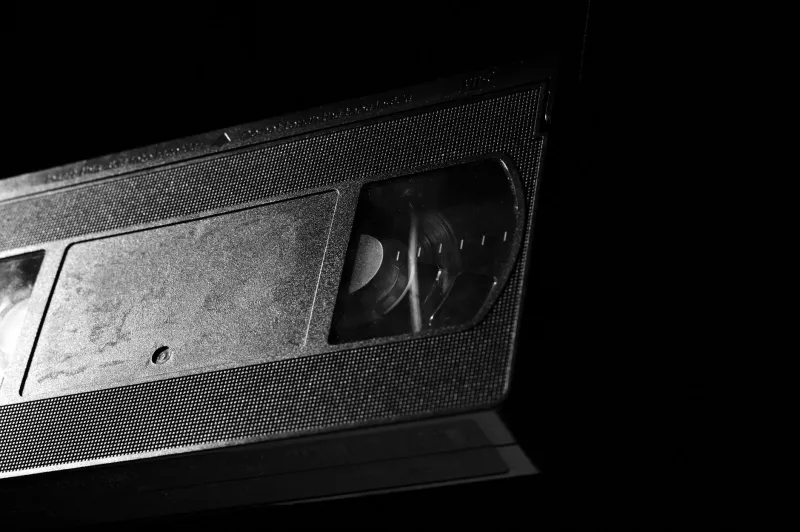
Every weekend, from the Rose Bowl in Pasadena to the swap meets of Florida and the church-basement rummage sales of the Midwest, thousands of videocassettes change hands for less than the price of a coffee. Most of them are junk. Some of them are the only surviving circulating copies of films that exist nowhere else — not on any streaming service, not in any commercial archive, not in any distributor's catalog. If you want to understand where cult cinema actually lives in 2025, do not open an app. Go to a flea market.
This guide is for the curious and the serious alike. The rules are simple; the rewards can be extraordinary.
Know What You're Looking For
Beginner collectors make the same mistake: they hunt titles they already know. The flea market does not reward that approach. The valuable finds are usually films you have never heard of — regional horror shot in Michigan, drive-time public access anthologies, SOV (shot-on-video) thrillers distributed by defunct companies like Camp Motion Pictures or Vestron.
Learn the release labels before you learn the titles. A tape bearing the logo of a long-dead distributor is often worth more than a mainstream classic, because nobody reissued it. Ex-rental tapes — the ones with plastic security cases and strip labels down the spine — carry their own collecting culture, and certain video store stickers are genuinely prized.
Where to Go
VHS swaps and horror conventions are the most efficient venues. Events in Ohio, Texas, and the Carolinas now draw serious traders, and the knowledge floating around a folding table is worth the admission on its own.
Estate sales are the great equalizer. When a lifelong collector's family clears a house, decades of accumulation surface at once, usually underpriced. Arrive early, be polite, and look at boxes under tables — the good stock is rarely displayed.
General flea markets require patience. Booth operators who specialize in media are rare, but one serious vendor can anchor a whole circuit. Ask. Most vendors will tell you if a neighbor has tapes in a back room.
How to Spot the Real Thing
Condition matters less than rarity for VHS, but check the basics: the tape should not rattle, the case should not smell of mildew, and rewound tapes are generally better cared-for than ones left mid-screen. For physical media of any format, print runs matter — a first pressing of an underground film with original cover art can be the difference between five dollars and five hundred.
For LaserDiscs and Betamax, the market is thinner but the finds can be stranger, since certain cult titles only ever circulated on those formats in the US. Bring a flashlight. Bring cash. Bring a bag that protects spines.
The Ethics of Rescuing Orphans
Here is where the hobby gets complicated. When you buy a tape of a film that has no rights holder, no streaming presence, and no restoration plan, you are not just shopping — you are becoming a custodian. The collecting community has settled on a loose but meaningful code:
- Preserve, don't hoard. If you digitize something unique, share it with the archivist communities who document these films. A tape degrades in a closet; a file can be seedbox-forever.
- Credit the find. If a transfer surfaces from your purchase, note where and when it was acquired. Provenance is history.
- Don't scalp the obscure. Flipping a rare tape to a collector at a fair markup is one thing; buying out a vendor's entire underground stock to resell at collector prices is another. The ecosystem only works if tapes keep circulating.
Why It's Worth the Trip
Streaming promised us everything, and delivered a catalog. The flea market delivers something else: contact with the physical residue of American movie culture, the tapes that passed through video stores, living rooms, and garage sales before landing in front of you. Many of these films will never be licensed, never be restored, never be recommended. Their only future is a person who picks up a case, reads a title, and decides it's worth five dollars.
Be that person. The archive is on a folding table, and it's closing at noon.